Wedding Guest

What to wear to every kind of wedding

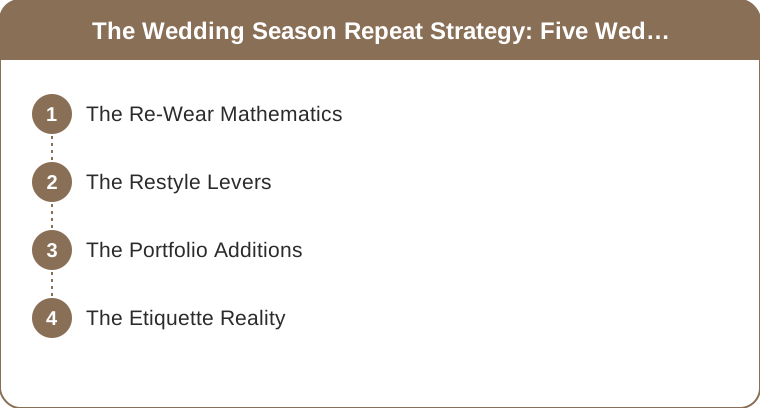
The Wedding Season Repeat Strategy: Five Weddings, One Smart Wardrobe

2026-07-15

Five wedding invitations arrived within eight weeks of each other. You did the math on five occasion dresses, made a small noise, and closed the tab.

Here’s the thing nobody says out loud at bridal-season pricing: you don’t need five dresses. You need one good one and a working knowledge of accessories.

Quick Answer: One quality occasion dress restyled five ways beats five cheap dresses on cost, on photos, and on how you feel getting dressed. Change the outfit with four levers — jewelry, an added layer, shoes-and-bag, and hair up vs. down. Rent for outlier dress codes like black-tie. And no etiquette rule anywhere prohibits repeating an outfit; the only person auditing your archive is you.

The Wedding Season Repeat Strategy: Five Weddings, One Smart Wardrobe

At a glance

Is It Actually Cheaper to Buy One Good Dress Than Five Cheap Ones?

Usually yes, and it isn’t close once you run cost-per-wear.

Occasion dresses have the worst cost-per-wear in fashion: high price, low single-digit wear count. The repeat strategy inverts that. One well-made dress worn at five weddings drops to a fraction of its price per outing, while five fast-fashion dresses each worn once cost you more in total and leave you with five things you’ll never wear again.

The quality dress also wins on the two things that aren’t money:

Photos. Better fabric photographs better, full stop. Cheaper occasionwear tends to show its construction under flash — clingy in the wrong places, shiny where it shouldn’t be.

Morning-of confidence. The third time you put on a dress you know fits, you’re not standing in front of a mirror at 2pm relitigating the decision. That’s worth real money on a day you’re already juggling logistics.

Do the overlap audit first. List the five weddings and ask which ones share guests. Usually the answer is one pair, or none — different friend groups, different sides of families, different cities. Your actual repeat exposure is almost always far smaller than the anxiety suggests, and that audit takes about ninety seconds.

How Do You Make One Dress Look Like Five Outfits?

Four levers. Change two or three per wedding and the outfit reads as different, particularly in photos.

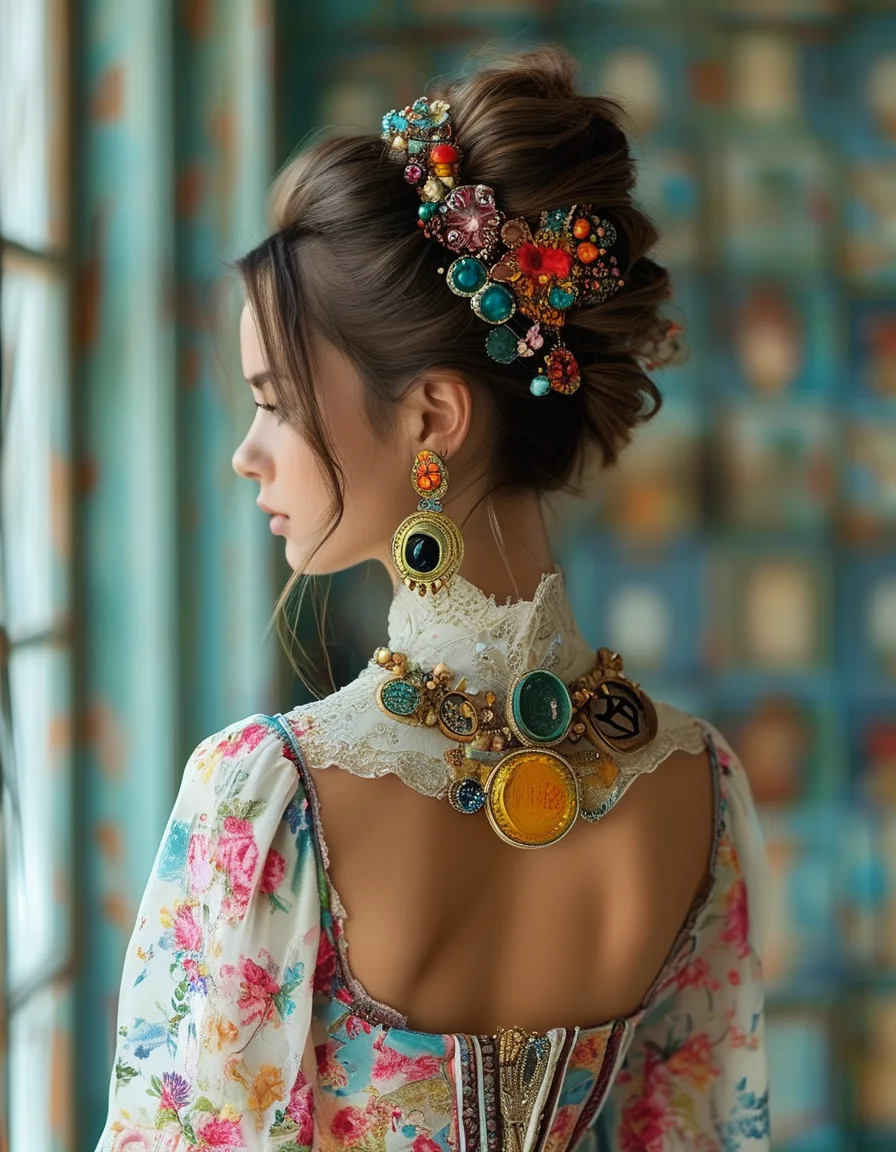
1. The jewelry register. This is the strongest lever. A gold statement necklace and bold earrings versus delicate pearls and a thin chain don’t just change the accessories — they change what kind of dress people perceive. Same garment, different formality entirely.

2. The layer. A structured blazer over an occasion dress reads modern and slightly tailored. A wrap or pashmina reads soft and classic. A bolero or cropped jacket changes the silhouette outright. This is also the most practical lever, since outdoor ceremonies and cold receptions are a real thing.

3. Shoes and bag. Rotate the metal and the palette. Gold sandals with a nude clutch is a completely different outfit from black heels with a jewel-tone bag. Shoes also shift formality up or down more than people expect.

4. Hair. Genuinely underrated. Hair up exposes the neckline and shoulders and makes a dress read formal and structured; hair down softens the same neckline entirely. Free, and it changes every photo you’re in.

The rule that makes this work: buy the dress to be steerable. A relatively simple silhouette in a solid color is a chassis you can drive in five directions. A dress with a bold print, elaborate embellishment, or a very distinctive neckline is memorable — which is lovely once and limiting five times.

The Wedding Season Repeat Strategy: Five Weddings, One Smart Wardrobe

What About the Weddings That Break the Formula?

Not every invitation fits one dress. Three additions handle the outliers.

Rent for the outlier dress code. A black-tie invitation in the middle of a season of cocktail weddings doesn’t justify buying a gown you’ll wear once. Rental services exist precisely for this, and it’s the right tool — own the versatile basics, rent the one-off. Book earlier than feels necessary during peak season; the good pieces go.

Add an occasion jumpsuit as your second slot. This is the smartest single addition. A well-cut jumpsuit reads deliberately different from every dress in the room, works across most cocktail-and-semi-formal codes, and is usually more comfortable for a long night. It also has an afterlife your occasion dress doesn’t — it works for nice dinners and events.

Shop the secondhand occasion market. This is where the arbitrage is genuinely remarkable. It’s full of once-worn dresses sold by people who had exactly the repeat anxiety this article is arguing against. Designer occasionwear in excellent condition, at a large discount, because someone decided they couldn’t wear it twice. Their loss.

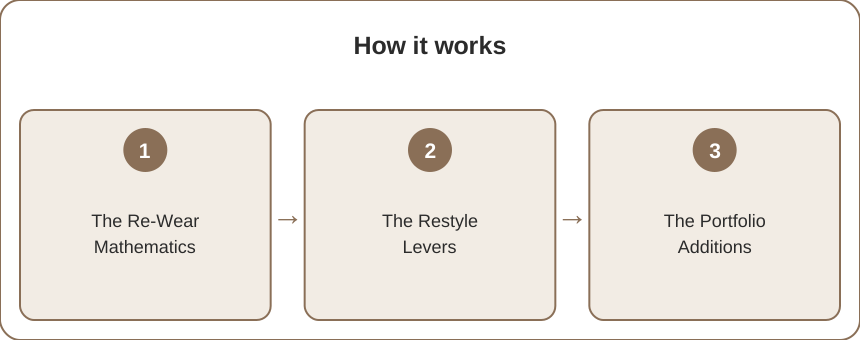
How it works

Myth vs Fact

Myth: There’s an etiquette rule against repeating a wedding guest outfit. Fact: There isn’t one. Not in any etiquette guide, not anywhere. The rules that do exist concern the couple’s wishes — don’t wear white, follow the stated dress code, don’t upstage. Repeating is entirely permitted and completely normal.

Myth: People will notice and remember. Fact: Guests remember, roughly in order: the couple, the food, whether the speeches went long, and their own outfit. Your dress is not on that list. The people at these events are attending to celebrate a marriage, not to maintain a database of your wardrobe.

Myth: Photo tagging means everyone will see. Fact: This is the one variable with any substance, and it applies only to weddings that share guests — which the overlap audit already told you about. Restyling with two different levers handles it. Different jewelry and different hair reads as a different outfit in a photo.

Myth: Five cheap dresses is the budget-friendly option. Fact: It’s frequently the more expensive one in total, and it leaves you with five garments you won’t wear again. One quality dress plus accessories beats it on total spend and on cost-per-wear.

Myth: A first wear looks best. Fact: Often the opposite. A dress you’ve worn before is one you’ve already solved — you know it fits, you know where it needs a pin, you know which bra works. That shows up as ease in photographs.

FAQ

Is it rude to wear the same dress to two weddings?

No. There’s no etiquette rule against it, and the only real consideration is whether the two weddings share a significant number of guests. If they do, restyling with different jewelry, a different layer, and different hair handles it entirely.

How do you choose one dress that works for multiple weddings?

Prioritize versatility: a simple silhouette, a solid color, and a fabric that suits a range of seasons and venues. Avoid bold prints, heavy embellishment, and very distinctive necklines — those are memorable in a way that limits repeat wear. Midi lengths in navy, forest green, burgundy, or another rich neutral tend to be the most adaptable.

What should you do about a black-tie wedding in the middle of a season?

Rent it. Black-tie is exactly the case where buying makes least sense — a formal gown has almost no second occasion for most people, and rental services cover it well. Book early during peak wedding season, since inventory in popular sizes goes quickly.

TL;DR:

  • One quality dress at five weddings beats five cheap ones on total cost, photos, and morning-of confidence.
  • Do the overlap audit first — which weddings share guests? Usually one pair or none.
  • Four restyle levers: jewelry register, added layer, shoes-and-bag palette, hair up vs. down. Change two or three per event.
  • Buy a steerable dress — simple silhouette, solid color. Bold prints are memorable once and limiting five times.
  • Rent the outliers (black-tie), add an occasion jumpsuit as slot two, and shop secondhand where the arbitrage is best.
  • No etiquette rule prohibits repeating. Guests remember the couple, the cake, and their own outfit — in that order.

Keep Reading

This article is for general styling and informational purposes only. Trends, sizing, availability and pricing may vary by brand and season.

wedding guest rewearwedding season wardroberepeat outfits

← All articles