Wedding Guest Style: The Dos and Don'ts You Need to Know
Quick Answer: Three rules cover 90% of wedding guest etiquette: don’t wear white, ivory, or cream; follow the stated dress code and err dressier if it’s unclear; and try the entire outfit on — shoes included — at least a week ahead. Everything else is comfort and weather planning.
The invitation says “cocktail attire.” The venue is a barn. The ceremony’s outdoors, the reception isn’t, and it might rain.
Being a wedding guest is a small styling puzzle with a few genuinely unwritten rules, and the awkward part is that breaking one — even by accident — is exactly the kind of thing that gets remembered in photos for the next forty years.
Here’s the short version of everything worth knowing.

Can I wear white to a wedding?
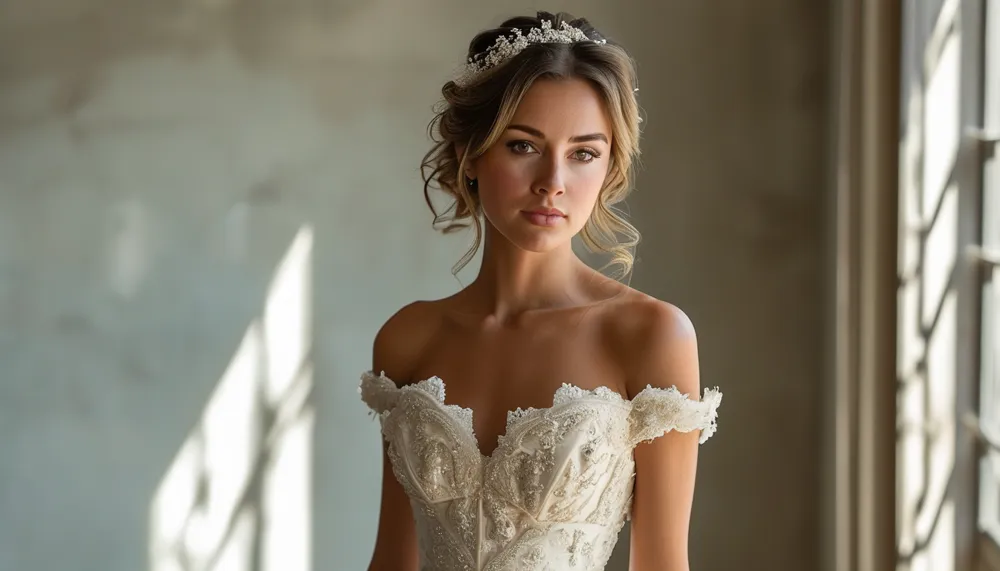
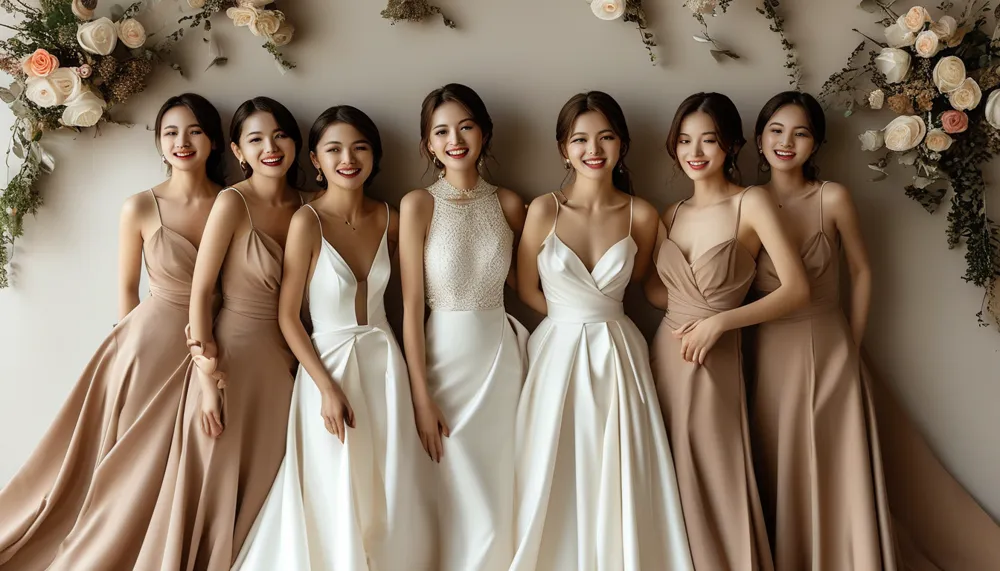
No. Not white, not ivory, not cream, not champagne, not “it’s more of a blush.”
This is the one rule with basically no exceptions, and it’s the easiest to break by accident — a white floral print on a navy background is fine, a mostly-white dress with small flowers is not. If you find yourself building a justification, that’s your answer.
A few adjacent judgment calls:
- Very pale pastels are usually fine, but check in daylight. Some blush and champagne tones photograph as white under a flash.
- Black is completely acceptable at most modern weddings, particularly evening ones. The old rule is retired nearly everywhere.
- Red and other very bright colors aren’t banned, but they pull focus in group photos. If the wedding is small, consider dialing it back a notch.
- Anything extremely revealing or heavily sequined at a daytime ceremony reads as competing rather than celebrating.
The underlying principle: it isn’t your day. Dressing well without dressing loudly is the whole assignment.

What does each wedding dress code actually mean?
Follow the code on the invitation. When it’s vague, go one notch dressier than you think — being slightly overdressed is invisible, being underdressed is not.
- Black tie: floor-length gown, or a very formal midi. Tuxedo for men.
- Black tie optional / formal: floor-length or an elegant cocktail dress. Dark suit works.
- Cocktail: knee-length or midi dress, dressy jumpsuit, heels or elegant flats. The most common code and the most flexible.
- Semi-formal / dressy casual: midi dress or a smart separates outfit. No jeans.
- Beach or garden formal: flowing fabrics, midi or maxi length, block heels or dressy flats. Linen is welcome; flip-flops are not.
- Casual: still means a dress or nice separates. It does not mean what you’d wear to brunch.
If the invitation says nothing at all, look at the venue and the start time. A 6pm hotel wedding is dressier than a 2pm vineyard, essentially always.

What should I plan for besides the outfit?
The practical layer, which is where most guests actually suffer.
The ground. Stilettos and grass are enemies. If any part of the day is outdoors, wear block heels, wedges, or add heel protectors — they cost about $10 and save the whole evening.
The temperature. Evening receptions get cold, indoor venues get aggressively air-conditioned, and outdoor ceremonies in August are their own weather system. A wrap, pashmina, or light blazer folds into nothing and is the single most-thanked item at any wedding.
The duration. You’ll be in this outfit for 8–10 hours, most of it standing. Anything that pinches at hour one will be unbearable at hour six.
The dancing. Test it. Raise your arms above your head in the mirror. If the dress rides up or the strapless bodice migrates, you’ll spend the reception managing your clothes instead of enjoying them.
The bag. Small clutch or crossbody only. Nothing that needs a chair of its own.
5 Mistakes Everyone Makes
- Buying the outfit the week of. No time for alterations, no time for a backup, and no time to discover the shoes are a problem. Two to three weeks out is the minimum.
- Never doing a full dress rehearsal. Whole outfit, shoes, undergarments, bag — for 30 minutes, at home, sitting and walking. This catches every problem while there’s still time to fix it.
- Forgetting the undergarment question. Strapless dress, wrong bra, and a long day is a bad combination. Sort this at the same time you buy the dress, not at 7am on the day.
- Wearing brand-new shoes. Break them in around the house for a few hours across the week. Blister plasters in the clutch regardless.
- Ignoring the ceremony-to-reception change. Outdoor ceremony in the sun, indoor reception with dancing — a shawl and a shoe swap in the car handles both without a second outfit.
FAQ
Is it OK to wear black to a wedding?
Yes, at nearly all modern weddings, and especially evening or formal ones. The old superstition has faded almost everywhere. Keep the styling celebratory rather than somber — a bright clutch, some jewelry, or a colorful shoe — and it reads as chic rather than funereal.
Can I repeat an outfit at two different weddings?
Absolutely, unless the guest lists heavily overlap and there will be a lot of photos. Even then, changing the shoes, jewelry, and jacket makes it read as a different look. Nobody is keeping records except you.
What do I do if there’s no dress code on the invitation?
Judge from the venue and start time — evening and hotel or ballroom venues call for cocktail attire, while daytime, garden, or barn venues sit closer to semi-formal. When genuinely torn, pick the dressier option and bring a layer you can remove.
TL;DR:
- No white, ivory, cream, or champagne — and check pale pastels in daylight.
- Follow the stated dress code; when it’s unclear, go one notch dressier.
- Plan for grass, cold receptions, ten hours of wear, and actual dancing.
- Full dress rehearsal at home at least a week out, shoes and undergarments included.
- Small bag, broken-in shoes, and a wrap you can take off.
Keep Reading
This article is for general styling and informational purposes only. Trends, sizing, availability and pricing may vary by brand and season.