The Wedding Guest Dress Guide: What to Wear to Every Wedding
Quick Answer: Read the dress code first — black tie means floor-length or a very dressy midi, cocktail means knee-to-midi, and garden or casual means a floral dress or a chic jumpsuit. Then match the venue and season, avoid white, ivory, champagne, and the bridal party’s colors, and choose shoes you can genuinely stand in for six hours. When the invitation is vague, dress one notch more formal than you think.
Few invitations spark closet panic like a wedding.
The dress code says “festive,” which means nothing. The venue is a barn, but a nice barn. And the one rule everyone knows — don’t wear white — turns out to cover about five percent of the actual decisions.
Here’s the whole thing, decoded.

What Do Wedding Dress Codes Actually Mean?
Six phrases cover almost every invitation you’ll ever get.
Black tie — floor-length gown, or a genuinely dressy midi in a formal fabric. Heels, real jewelry, a small clutch.
Black tie optional / formal — a long dress or a sophisticated cocktail dress. This is the code that most people over-think; a dark, well-cut midi is always right here.
Cocktail — knee-length to midi. The broadest and most common code, and where most of your wardrobe already lives.
Semi-formal / dressy casual — a midi dress or a smart jumpsuit. Less shine, more fabric interest.
Garden party — floral, floaty, and a block heel or wedge unless you enjoy aerating a lawn.
Casual / beach — a sundress or a linen-blend midi with flat sandals. Still a dress, still ironed.
When the invitation says nothing at all, look at the venue and the start time. Evening and indoors means dressier; afternoon and outdoors means lighter. And when you genuinely can’t tell, ask another guest — or lean slightly more formal. Nobody has ever been embarrassed by being marginally too polished.

How Do Venue and Season Change the Choice?
The venue decides your fabric and your shoes; the season decides your color and coverage.
Beach or vineyard: floaty fabrics, flat or block-heel sandals, and something that survives wind. Chiffon and a sea breeze have a complicated relationship — if the skirt is very light, make sure it’s lined or long enough to behave.
Ballroom or hotel: structure and a bit of glamour. Satin, crepe, and heavier fabrics photograph beautifully under chandeliers.
Barn, garden, or estate lawn: the ground is the whole story. Block heels, wedges, or heel caps — a stiletto on grass is a slow-motion accident.
Church or place of worship: check whether shoulders or knees need covering. A wrap or light jacket solves it and can come off at the reception.
By season: rich jewel tones and deeper florals for autumn, soft pastels and prints for spring and summer, velvet and long sleeves for winter. Late summer into early fall is the sweet spot for a midi in a warm tone — rust, olive, deep coral — which reads seasonal without committing to either side.

Which Colors Should You Avoid at a Wedding?
The obvious one, plus four that catch people out.
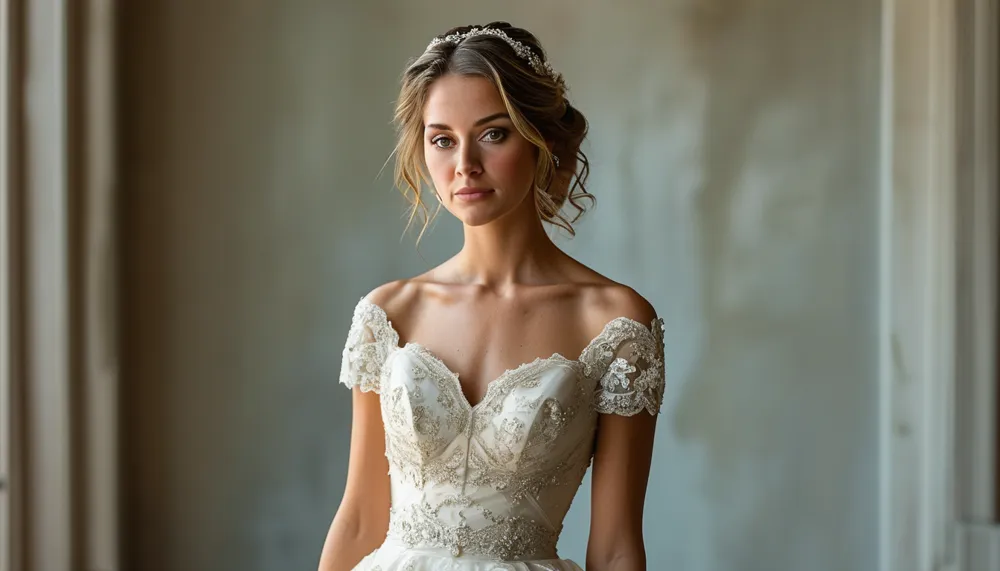
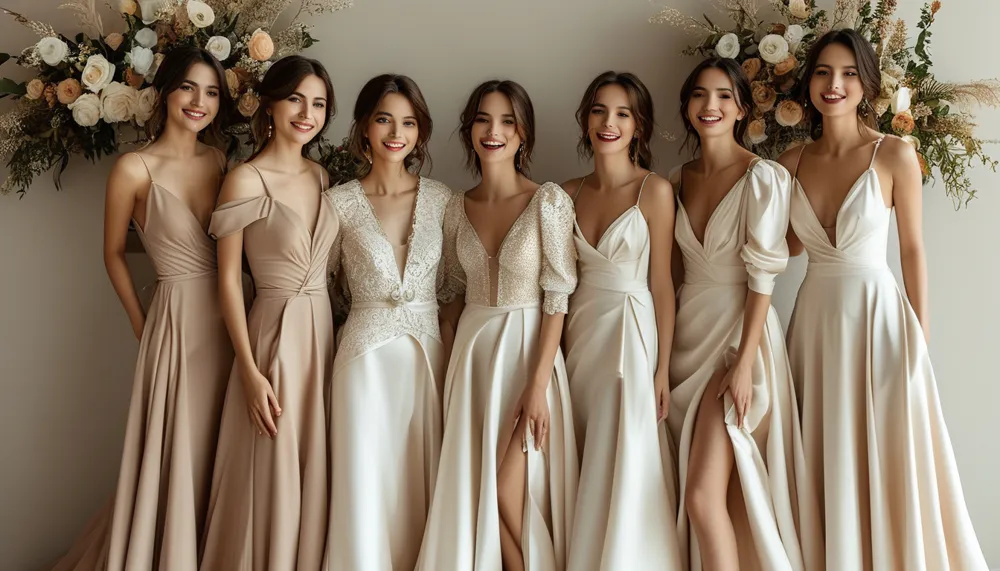
Skip: white, ivory, cream, champagne, and pale blush — anything that could read as bridal in a photograph, where lighting flattens everything. Also skip the bridal party’s color if you know it, because standing next to the bridesmaids in the same shade is a specific kind of awkward.
All-black is now widely accepted, especially for evening and city weddings. Read the room: at a formal evening reception it’s chic; at a bright afternoon garden wedding it can feel heavy. A black dress with a colorful accessory splits the difference.
Red is fine at most weddings but draws the eye hard in group photos. If you love it, choose a deeper wine over a bright scarlet.
Otherwise, the field is wide open. Jewel tones, florals, and rich neutrals all photograph well and feel celebratory.
What Nobody Tells You About Wedding Guest Comfort
Weddings are endurance events dressed as parties. Ceremony, photos, cocktail hour, a long dinner, dancing — that’s frequently six to eight hours, and a good chunk of it standing.
Four things nobody mentions until you’ve learned them the hard way:
Do the sit-and-reach test at home. Sit down in the dress. Raise both arms. Bend to pick something off the floor. Anything that fails one of these will fail it at the reception, in front of a photographer.
Pack flats. A foldable pair in your bag is not a defeat, it’s a plan. Nearly everyone changes shoes by 9pm; the only question is whether you brought the second pair.
Fashion tape and a safety pin live in the clutch. So does a blister plaster. This kit has saved more evenings than any amount of dress shopping.
Check the dress in bright daylight and in flash. Some fabrics go semi-sheer in sun, and some pale colors go transparent under a camera flash. Take one photo of yourself with the flash on before you commit.
Comfort isn’t the opposite of looking good. It’s what lets you stop thinking about the outfit and actually enjoy the day.
Frequently Asked Questions
Can you wear black to a wedding?
Yes, at the vast majority of modern weddings — especially evening, city, or formal ones. The exceptions are some cultural and religious traditions where black carries mourning associations, and very bright daytime garden weddings where it can read severe. If in doubt, break it up with color at the shoe, bag, or lip.
Is it okay to wear the same dress to two weddings?
Completely. Change the shoes, the bag, and the jewelry, and add or remove a wrap, and most people won’t register it as the same outfit — including you, in the photos. Re-wearing a great dress is smarter than buying a mediocre new one.
Can you wear a jumpsuit to a wedding?
Yes, for cocktail, semi-formal, and casual codes, and increasingly for formal ones if it’s in a dressy fabric like crepe or satin with a wide leg. It’s often the most comfortable option in the room. For strict black tie, a gown is still the safer read.
TL;DR:
- Black tie = floor-length; cocktail = knee-to-midi; garden = floral plus a block heel.
- No invitation guidance? Go by venue and start time, and lean slightly more formal.
- Grass and sand demand block heels, wedges, or heel caps — not stilettos.
- Avoid white, ivory, cream, champagne, blush, and the bridal party’s color.
- Sit, reach, and bend in the dress at home; photograph it with flash to check for sheerness.
- Pack flats, fashion tape, and a blister plaster. Six to eight hours is a long day.
Keep Reading
This article is for general styling and informational purposes only. Trends, sizing, availability and pricing may vary by brand and season.